

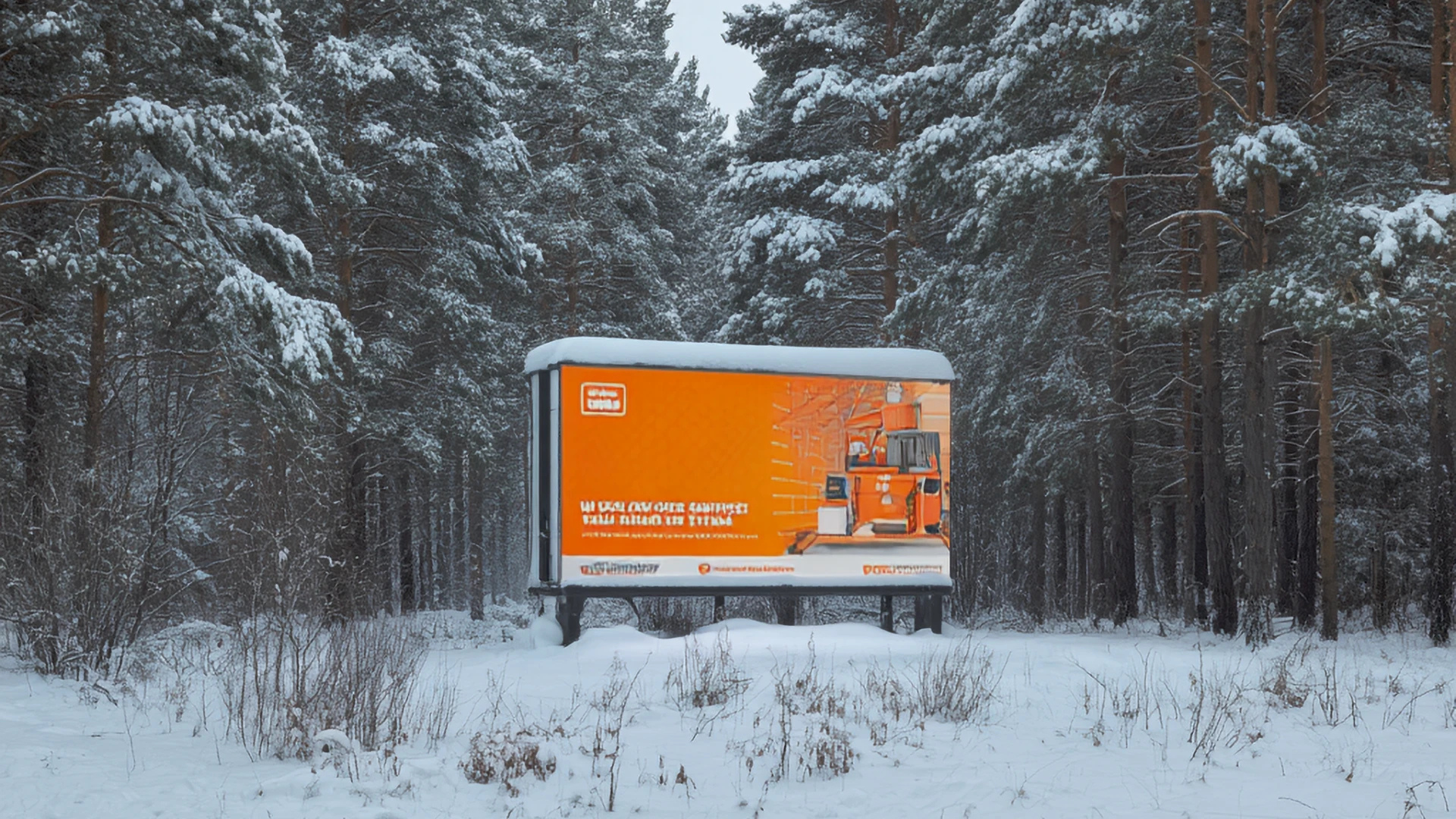
Key Takeaways
- IP65+ ratings are necessary but not sufficient without proper drainage and mounting design for northern climates
- Freeze-thaw cycles cause more outdoor LED failures than extreme cold alone
- Auto-dimming sensors are essential where brightness needs shift dramatically between winter and summer
- Outdoor pixel pitch typically ranges from 2.5mm to 10mm depending on viewing distance
- Structural engineering must account for snow load and ice, not just panel weight
- Service-accessible design matters more in climates where maintenance windows are short and harsh
- Proactive quarterly service reduces the risk of seasonal damage becoming permanent
1. What IP Ratings Actually Protect Against
Every outdoor LED panel carries an Ingress Protection rating. IP65 is the baseline for permanent outdoor installations.
- First digit (6): Complete protection from dust
- Second digit (5): Protection from low-pressure water jets in any direction
That handles rain. It does not handle standing water, ice buildup along seams, or moisture intrusion from repeated freeze-thaw expansion. Panels rated IP65 assume water moves past the enclosure. In a Minnesota winter, it doesn't always move. It sits, melts, refreezes, and expands.
The fix is not a higher IP rating. It's proper mounting design that directs water and snowmelt away from cabinet joints and electrical connections.
2. Freeze-Thaw Is the Real Threat
Sustained cold is manageable. Most outdoor LED panels operate reliably down to -22°F (-30°C). The harder problem is temperature cycling.
Minneapolis can swing from -10°F to 35°F in a single week. Each cycle puts stress on:
- Panel seams and gaskets that expand and contract at different rates
- Solder joints on LED modules
- Connectors where moisture can wick in and freeze internally
Plan for this by specifying panels with aluminum alloy housings (better thermal conductivity than steel) and ensuring all cable entry points are sealed and positioned to shed water downward.
3. Snow Load and Structural Planning
An outdoor LED wall is not just its own weight. In northern climates, the structural support needs to account for:
- Snow accumulating on horizontal surfaces and ledges above the display
- Ice buildup on the panel face and mounting frame
- Wind load on a large flat surface during winter storms
We've seen architects spec structural supports for the panel weight alone. That works in Dallas. In Minnesota, an engineer needs to factor in snow and ice loads per local building code. It's the same discipline applied to rooftop HVAC or signage, but it gets missed with LED walls because they're still relatively new to exterior building design.
4. Brightness That Works Day and Night, Winter and Summer
Outdoor LED panels commonly deliver 5,000 to 10,000 nits. That brightness is necessary for visibility in the direct summer sun. But at night or during overcast winter days, that same output is blinding.
Auto-dimming sensors solve this. They monitor ambient light and adjust brightness gradually so there's no abrupt shift. This is not optional for permanent outdoor installations. It's basic.
Without it, the display either:
- Looks washed out during summer days, or
- Overwhelms viewers and wastes energy during dark winter months
5. Choosing the Right Pixel Pitch for Distance
Outdoor displays almost always use a larger pixel pitch than indoor. The viewing distance justifies it, and the cost savings are significant.
General guidelines from Spye's own viewing distance data and industry standards:
- P2.5 to P4: Close viewing (under 25 feet), suited for covered entryways or sheltered walkways
- P4 to P6: Mid-range (25–60 feet), common for building facades and courtyards
- P6 to P10: Long distance (60+ feet), billboards and highway-facing displays
Going finer than you need wastes budget. Going coarser than the viewing distance allows creates a pixelated experience. The right answer comes from measuring where people will actually stand or walk relative to the display.
6. Service Access in Harsh Conditions
Indoor LED walls get serviced during normal business hours in climate-controlled spaces. Outdoor walls in January get serviced by a technician in a parka, likely on a lift, possibly in wind.
Design for front-access services wherever possible. It means:
- Panel swaps without removing the entire structure
- Connections accessible from the viewing side rather than behind the wall
- Fewer hours on a lift in bad weather
This is where product selection and mounting design overlap. A display that's easy to service in a showroom might be miserable to service 30 feet up in February.
7. Content That Actually Works Outdoors
Content designed for indoor conference room displays does not translate to outdoor LED. Common mistakes:
- Text too small. If viewers are 50+ feet away, body copy is unreadable. Headline-sized text only.
- Low contrast. Indoor content relies on controlled lighting. Outdoor needs high-contrast graphics with bold color separation.
- Wrong aspect ratio. Outdoor LED walls are often non-standard dimensions. Content needs to match, not stretch.
We handle this through Studio Spye, where content is designed specifically for the display dimensions, viewing distance, and ambient conditions of each installation.
FAQs
Can outdoor LED video walls handle Minnesota's subzero temperatures?
Yes. Most outdoor-rated LED panels operate reliably down to -22°F (-30°C) or colder. The bigger risk isn't sustained cold but repeated freeze-thaw cycles, which stress seals and connections over time.
How bright does an outdoor LED wall need to be?
For full-sun visibility, 5,000 nits is the minimum. Many panels deliver up to 10,000 nits. Auto-dimming sensors are essential to adjust output between daytime sun and nighttime viewing.
What pixel pitch should I use for an outdoor display?
It depends on viewing distance. For most permanent commercial outdoor installations, P4 to P6 covers the common range. Closer viewing needs finer pitch. Highway-distance viewing can go coarser.
How often should outdoor LED walls be serviced?
Quarterly is the standard we recommend, with additional checks after significant weather events. Proactive service catches gasket wear, moisture intrusion, and connection issues before they cause panel failures.
Does snow damage LED panels?
Snow sitting on or against panels creates moisture risk during thaw cycles. Proper mounting design that prevents snow accumulation and directs meltwater away from cabinet seams prevents most issues.
Ready to Plan an Outdoor LED Installation?
If you're considering an outdoor LED video wall for a building, campus, or public space in a northern climate, the planning decisions made before panel selection matter most. We'd welcome the chance to look at the site and mounting conditions with you early.

.png)
